


7 Critical Ways Denver’s Weather Damages Your Roof Year-Round
How Denver’s Weather Impacts Your Roof Throughout the Year
Denver homeowners enjoy four distinct seasons, but that variety comes at a cost—especially for your roof. From hailstorms to intense sun, local weather patterns create year-round stress that can shorten a roof’s lifespan if issues go unnoticed.Understanding how these conditions affect your home helps you make informed decisions and know when professional roofing services in Denver are needed to prevent costly repairs.
Why Denver Weather Is Tough on Roofs
The Denver metro area experiences some of the most extreme weather swings in the country. Rapid temperature changes, severe storms, and high elevation UV exposure all play a role in roof deterioration.
Unlike mild climates, roofing materials here must withstand:
- Sudden hailstorms
- Heavy snow accumulation
- Strong wind gusts
- Intense summer sunlight
Each season introduces a different type of risk.
How Hailstorms Cause Hidden Roof Damage
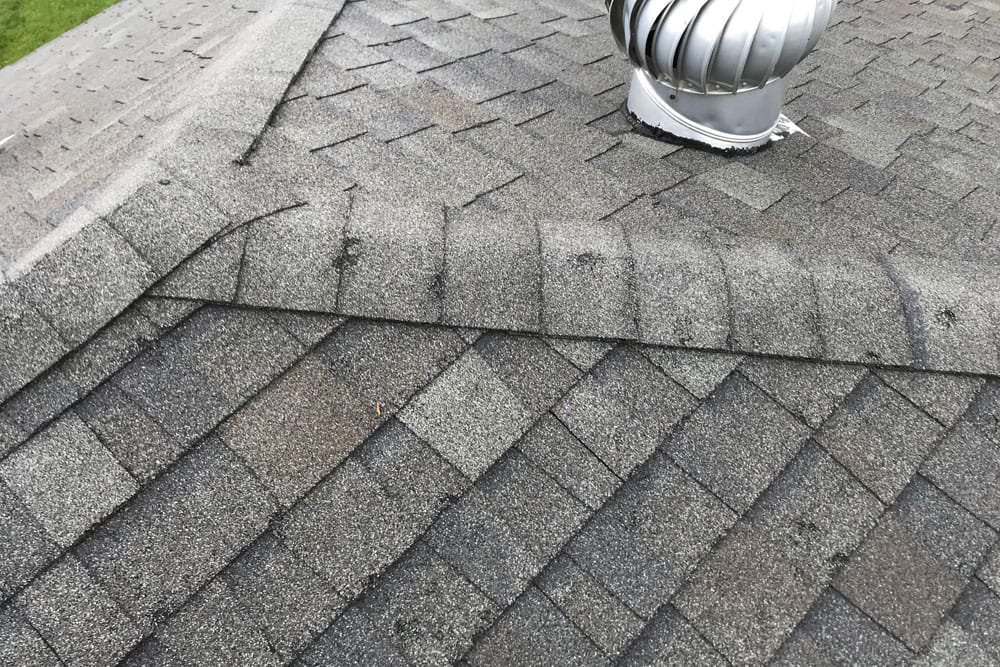
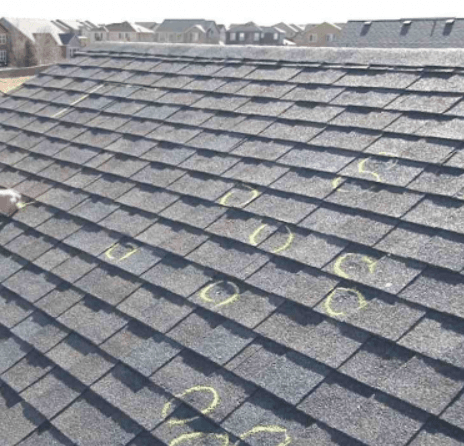
Hail is one of the most common causes of roof damage in Denver. Even small hailstones can weaken shingles, crack tiles, or loosen protective granules.
The problem is that hail damage isn’t always obvious from the ground.
Signs homeowners often miss include:
- Soft spots in shingles
- Granule loss exposing asphalt
- Hairline cracks in tiles
- Dented flashing and vents
A professional inspection after a storm can reveal issues early, before leaks develop.
According to the National Weather Service, Colorado consistently ranks among the top states for hail activity, making proactive inspections especially important.
External reference: https://www.weather.gov/
Snow, Ice, and Freeze-Thaw Cycles
Winter weather introduces different challenges that can quietly damage roofing systems.
Ice Dams and Moisture Intrusion
When snow melts and refreezes at the roof edge, ice dams can form. These block proper drainage and force water back under shingles, leading to interior leaks and insulation damage.
Poor ventilation and insulation make this problem worse.
Weight Stress on Roofing Systems
Heavy snow places additional weight on your roof structure. Over time, this stress can:
- Worsen existing weaknesses
- Damage flashing and seals
- Accelerate aging materials
Routine winter inspections help identify vulnerabilities before spring thaw.
Read More about: Moving to Los Angeles from NYC
High Winds and Seasonal Storms
Denver’s spring and summer storms often bring strong winds capable of lifting or tearing shingles.
Wind damage commonly causes:
- Missing or lifted shingles
- Exposed underlayment
- Loose ridge caps
Once shingles are compromised, even light rain can cause water intrusion. This is where timely roofing services in Denver play a protective role by securing loose materials before larger damage occurs.
Intense Sun and UV Exposure
Denver’s high elevation means stronger ultraviolet exposure than many other cities.
Over time, UV rays can:
- Dry out asphalt shingles
- Cause cracking and curling
- Fade roofing materials
- Reduce waterproofing effectiveness
Sun damage happens gradually, making annual inspections essential even when no storms occur.
Smart Ways Homeowners Can Protect Their Roof
While you can’t control the weather, you can reduce its impact.
Here’s a simple checklist for Denver homeowners:
- Schedule annual roof inspections
- Inspect your roof after major storms
- Keep gutters clear to prevent ice dams
- Watch for missing or damaged shingles
- Address small repairs before they grow
Many homeowners rely on No Limit Roofing and Restoration for professional inspections after severe hail or snowstorms because early detection helps extend roof life.
Conclusion: Stay Ahead of Roof Damage in Denver
Denver’s weather doesn’t damage roofs overnight—it works gradually, season by season. Understanding these risks allows homeowners to act early, protect their investment, and avoid unexpected repairs.
If you’re unsure how recent weather may have affected your roof, a professional inspection provides clarity and peace of mind. A careful evaluation today can prevent much larger issues tomorrow.